Stay up-to-date on the companies, people and issues that impact businesses in Syracuse, Central New York and beyond.
Broome County hotels post solid business gains in July
BINGHAMTON, N.Y. — Broome County hotels registered a slight rise in overnight guests in July, as two other benchmarks of business performance increased significantly more in the month. The hotel-occupancy rate (rooms sold as a percentage of rooms available) in the county edged up 1.8 percent to 75.4 percent in the seventh month of 2025, […]
Become a Central New York Business Journal subscriber and get immediate access to all of our subscriber-only content and much more.

Click here to purchase a paywall bypass link for this article.
BINGHAMTON, N.Y. — Broome County hotels registered a slight rise in overnight guests in July, as two other benchmarks of business performance increased significantly more in the month.
The hotel-occupancy rate (rooms sold as a percentage of rooms available) in the county edged up 1.8 percent to 75.4 percent in the seventh month of 2025, compared to July 2024, according to a report from STR, a Tennessee–based hotel market data and analytics company. Year to date through July, occupancy was down 1.6 percent to 59 percent.
Revenue per available room (RevPar), an industry gauge that measures how much money hotels are bringing in per available room, jumped 8.9 percent to $103.78 in July versus the year-prior month. In the first seven months of this year, RevPar was higher by 4.2 percent to $73.46.
The average daily rate (ADR), which represents the average rental rate for a sold room, shot higher by 6.9 percent in Broome County to $137.59 this July, compared to the same month a year earlier. Through July 31, ADR increased 5.9 percent to $124.46.

UTICA, N.Y. — Utica Royalties — a nonprofit empowering youth through arts, culture, and wellness — recently announced the appointment of Hawa Peters as its new executive director. “Peters, the visionary founder of the organization, returns with renewed purpose to lead a movement that uplifts young voices, supports families, and strengthens the community through creativity,
Become a Central New York Business Journal subscriber and get immediate access to all of our subscriber-only content and much more.
Click here to purchase a paywall bypass link for this article.
UTICA, N.Y. — Utica Royalties — a nonprofit empowering youth through arts, culture, and wellness — recently announced the appointment of Hawa Peters as its new executive director.
“Peters, the visionary founder of the organization, returns with renewed purpose to lead a movement that uplifts young voices, supports families, and strengthens the community through creativity, confidence, and connection,” the Utica–based organization said in its mid-July email announcement.
Since its start in 2021, Utica Royalties says it has blossomed into a sanctuary where youth from all walks of life come to dream, express, and grow without limits, the organization contends.
“At Utica Royalties, we don’t just teach skills — we spark transformation,” said Peters. “I believe in the power of art and culture to heal, inspire, and ignite hope. I believe in our youth as leaders, creators, and change-makers. And I believe this community can come together to lift every young person to heights they never imagined.”
Through programs like Afro Hip-Hop dance, swimming lessons, creative writing, computer literacy, wellness workshops, and more, Utica Royalties says it offers opportunities for holistic growth. These programs are designed not only to teach skills, but also to build self-worth, resilience, and a sense of belonging.
“Utica Royalties isn’t just for kids — it supports parents and the whole community. It’s a great place to find help when you need it. They’re always there to lift you up,” Christina Edwards, community member, said in the announcement.
Utica Royalties’ recent programs included a talent show it held on Aug. 16. It was billed as an opportunity for area youth to showcase their gifts, ranging from singing and dancing to poetry and performance, in front of a live audience and panel of judges.
CNY jobless rates fall in July compared to a year ago
The unemployment rates in the Syracuse, Utica–Rome, Watertown–Fort Drum, Binghamton, Ithaca, and Elmira regions were all lower in July compared to the same month in 2024. The figures are part of the latest New York State Department of Labor (NYSDOL) unemployment data released on Aug. 19. Regional unemployment rates The jobless rate in the Syracuse
Become a Central New York Business Journal subscriber and get immediate access to all of our subscriber-only content and much more.
Click here to purchase a paywall bypass link for this article.
The unemployment rates in the Syracuse, Utica–Rome, Watertown–Fort Drum, Binghamton, Ithaca, and Elmira regions were all lower in July compared to the same month in 2024.
The figures are part of the latest New York State Department of Labor (NYSDOL) unemployment data released on Aug. 19.
The jobless rate in the Syracuse area declined to 3.7 percent in July 2025 from 3.9 percent in the prior July.
Around the region, the Utica–Rome region’s unemployment rate fell to 3.9 percent from 4.0 percent; the Watertown–Fort Drum area’s number dipped to 4.1 percent from 4.3 percent; the Binghamton region’s rate edged down to 4.1 percent from 4.2 percent; the Ithaca area’s jobless number hit 3.6 percent, down from 3.8 percent; and the unemployment rate in the Elmira region fell to 3.7 percent in July from 4.0 percent in the same month in 2024.
The local unemployment data isn’t seasonally adjusted, meaning the figures don’t reflect seasonal influences such as holiday hires. The unemployment rates are calculated following procedures prescribed by the U.S. Bureau of Labor Statistics, the state Labor Department said.
New York state’s seasonally adjusted unemployment rate held constant at 4.0 percent in July 2025, compared to June 2025, according to preliminary figures that NYSDOL released.
New York’s July unemployment rate was lower than the U.S. unemployment rate of 4.2 percent in the same month.
The July statewide unemployment figure of 4.0 percent was down from the 4.4 percent figure reported in July 2024, according to department figures.
The federal government calculates New York’s unemployment rate partly based upon the results of a monthly telephone survey of 3,100 state households that the U.S. Bureau of Labor Statistics conducts.

DEC and New York Sea Grant announce nearly $200,000 in Great Lakes Basin small grants project awards
The New York State Department of Environmental Conservation (DEC) and New York Sea Grant recently announced $199,696 in grants for five Great Lakes basin projects. The initiatives support local community plans to restore water quality, protect ecosystems, and strengthen community resilience and stewardship. These selected projects support measurable progress toward the priority goals of the
Become a Central New York Business Journal subscriber and get immediate access to all of our subscriber-only content and much more.
Click here to purchase a paywall bypass link for this article.
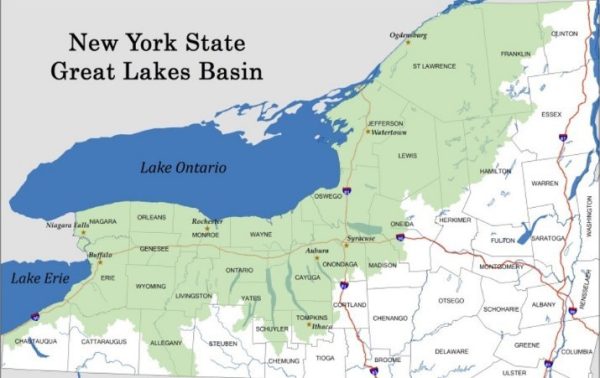
The New York State Department of Environmental Conservation (DEC) and New York Sea Grant recently announced $199,696 in grants for five Great Lakes basin projects.
The initiatives support local community plans to restore water quality, protect ecosystems, and strengthen community resilience and stewardship. These selected projects support measurable progress toward the priority goals of the Great Lakes Action Agenda for New York’s Great Lakes watershed.
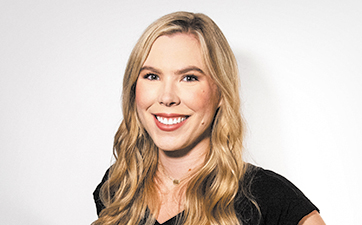
“New York’s Great Lakes Basin Small Grants support local science-based projects that restore habitats, combat invasive species, and engage communities while strengthening the resilience of our shared environment and the State’s economy,” DEC Commissioner Amanda Lefton said in the announcement. “Through partnerships like this with New York Sea Grant, DEC is advancing the goals of the Great Lakes Action Agenda and delivering real, measurable results.”
New York’s Great Lakes Basin Small Grants program has awarded more than $2 million in small grants to date for a combined total of 66 projects since the program’s inception in 2015. The five projects selected for this round of New York’s Great Lakes Basin Small Grants funding included three projects in Western New York and two in Central New York (Jefferson County and Oswego County).
The two Central New York projects are as follows.
Cornell Cooperative Extension of Jefferson County: $40,000 for “Seeds of Stewardship: Community-Based Native Seed Network for the Northeast Lake Ontario and St. Lawrence River Region” to launch a native seed collection and propagation program across Jefferson, Lewis, and St. Lawrence counties. The project will train volunteers, develop local seed storage and propagation infrastructure, and utilize native plant material to support habitat restoration and resilience.
Atlantic States Legal Foundation: $39,943 for “A Community-Driven Tree Planting Initiative for Adaptation and Revitalization in Pulaski” to engage residents and partners in planning and planting more than 70 trees in priority locations throughout the village of Pulaski, reducing risks such as flooding and heat stress, enhancing ecosystem services, and supporting long-term environmental stewardship, per the announcement. Guided by the Richland-Pulaski Comprehensive Plan and Climate Action Plan and three inclusive community workshops, residents and local partners will help identify strategic planting locations, develop site-specific plans, and learn about the social, ecological, and economic benefits of trees.
New York Sea Grant, a cooperative program of Cornell University and the State University of New York, administers the program in partnership with DEC’s Great Lakes Program. The program is funded through the New York State Environmental Protection Fund (EPF) and Article 14: the New York Ocean and Great Lakes Ecosystem Conservation Act outlined in the EPF. The 2025-26 enacted state budget increases the EPF to a record $425 million, helping support critical environmental programs such as land acquisition, farmland protection, invasive-species prevention and eradication, enhanced recreational access, water-quality improvement, and “an aggressive environmental justice agenda,” the DEC said.
More information on the New York’s Great Lakes Basin Small Grants program with past project profiles is available online at: nyseagrant.org/glsmallgrants. Those interested can learn more about the New York’s Great Lakes Action Agenda that applies ecosystem-based management to conserve, protect, and enhance New York State’s Great Lakes natural resources on DEC’s website: dec.ny.gov/nature/waterbodies/lakes-rivers/great-lakes/action-agenda.

Picente calls Oneida County’s 5-year agricultural plan a bold step
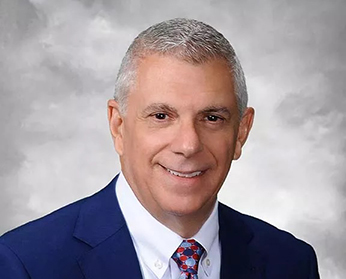
UTICA, N.Y. — Oneida County’s five-year agricultural strategic plan focuses on strengthening the region’s agricultural economy, protecting farmland, and expanding opportunities for farmers and agribusinesses across the county. “This plan is a bold step toward ensuring that agriculture remains a cornerstone of Oneida County’s economy and identity,” Oneida County Executive Anthony Picente, Jr. contended in
Become a Central New York Business Journal subscriber and get immediate access to all of our subscriber-only content and much more.

Click here to purchase a paywall bypass link for this article.
UTICA, N.Y. — Oneida County’s five-year agricultural strategic plan focuses on strengthening the region’s agricultural economy, protecting farmland, and expanding opportunities for farmers and agribusinesses across the county.
“This plan is a bold step toward ensuring that agriculture remains a cornerstone of Oneida County’s economy and identity,” Oneida County Executive Anthony Picente, Jr. contended in describing the 2025-2030 agricultural strategic plan, which was released July 31. “We are not just preserving farmland — we are building a system that supports our farmers, grows our food economy, connects our communities and makes Oneida County a model for agricultural innovation and resilience.”
Oneida County developed the plan in partnership with Cornell Cooperative Extension of Oneida County and planning consultants at LaBella Associates. The document identifies five strategic goals to guide implementation efforts. They include farmland preservation and protection; economic development and business support; agritourism and local food promotion; workforce development and farm transition; and sustainability and climate resilience.
The plan lays out 25 project concepts, with four top-priority initiatives earmarked for immediate development, Oneida County said.
The initiatives include facilitating farmer participation in economic-development tools such as revolving loans, grants, and tax incentives. Another immediate focus is establishing a formal farming apprenticeship or internship program to train the next generation of agricultural workers.
In addition, the priorities include conducting an agriculture-specific hazard mitigation analysis to safeguard farms from climate and environmental risks. The initiatives also include encouraging local municipalities to adopt farm-friendly planning policies, using the county’s Agriculture-Friendly Municipal Guide.
“These priority projects are designed to generate meaningful impact, particularly in areas like supply chain growth, land use planning, and workforce development,” James Genovese, commissioner of planning for Oneida County, said. “By aligning our agricultural strategy with broader economic, educational and climate goals, we are laying the foundation for a more resilient and prosperous farming community.”
To oversee implementation, the plan establishes a new agricultural-implementation committee, jointly coordinated by Oneida County and Cornell Cooperative Extension. The committee will be supported by working groups focused on each of the five strategic themes, meeting regularly to track progress and adjust strategies as needed, Oneida County said.
The full 2025-2030 agricultural strategic plan is available at: https://oneidacountyny.gov/departments/planning/agriculture/

VIEWPOINT: Why join LinkedIn in 2025?
LinkedIn isn’t going anywhere. If other social-networking platforms emerge, even those catering to B2B professionals, it’s unlikely that any will displace LinkedIn’s network size — already more than 1 billion members strong around the world. As a platform for corporate leaders to put a human face to the ideas and philosophies that guide their brands,
Become a Central New York Business Journal subscriber and get immediate access to all of our subscriber-only content and much more.

Click here to purchase a paywall bypass link for this article.
LinkedIn isn’t going anywhere. If other social-networking platforms emerge, even those catering to B2B professionals, it’s unlikely that any will displace LinkedIn’s network size — already more than 1 billion members strong around the world.
As a platform for corporate leaders to put a human face to the ideas and philosophies that guide their brands, there’s still no more popular place online. Whether your followers number in the single digits or the millions, it’s the ideal platform for a variety of communication strategies, from thought leadership to messages about your business and brands that might not otherwise be discovered.
Here are a few reasons why 2025 is not too late to join LinkedIn if you haven’t already.
People join social-media platforms to be social, not to be marketed to. Facebook, Instagram, and Twitter/X often present a stark contrast between posts from familiar friends and unfamiliar brands. LinkedIn, by nature, strikes a more authentic balance, since both promoted and unpromoted posts cater to career-focused professionals.
For those interested in B2B marketing, that creates a unique opportunity. LinkedIn offers corporate leaders a place to share news, represent their company’s values, and meet like-minded individuals — all with a human face attached. Whether via written or visual content, it’s a great forum for authentic messaging, without the veneer of marketing that others might gloss over when it’s not attached to a human face.
Regardless of whether your LinkedIn account meets its key performance indicators (KPIs) — or even has any — it’s a place to experiment, particularly for those with few followers. For those who have not published blogs or vlogs before, LinkedIn allows its users to find modes of communication that suit their style.
There are other mediums for both corporate leaders and rank-and-file employees to share their thoughts about their brand or its industry writ large — a native blog on the company website, a newsletter for email subscribers, or even an independent blogging platform. Compared to LinkedIn, however, these forums are less likely to catch the attention of anyone previously unaware of your company and the work it’s doing.
LinkedIn networks and groups are organized around specific industries. Members can engage with others doing similar work, making it an ideal place to form relationships with potential B2B clients and customers. These are especially useful networking strategies for startups with little to no digital footprint. Even seasoned industry leaders looking for a forum to share their thoughts can use LinkedIn as a pathway to make their brand more visible, or to connect with others they might do business with in the future.
LinkedIn exposes leaders to people whose résumés and ideas make them attractive hires. When adding like-minded people to your network, both recruiters and job-seekers might discover areas of overlap between their wants and others’ needs. For both parties, having a robust LinkedIn profile can save a lot of time and effort.
Some corporate leaders might relish any opportunity to do some PR and messaging on behalf of your company as a good place to work. If someone on Glassdoor wrote a terrible review of your company, and you don’t have a presence on LinkedIn, what are others left to conclude? Having a personal or corporate LinkedIn page can help combat negativity.
If your business doesn’t have a LinkedIn page, others might wonder if you’re legitimate. That’s why it’s never too late to join the site. As a forum for ideas, LinkedIn serves a variety of purposes — particularly for brands and corporate leaders with a small or nonexistent digital footprint. Look around, see what content speaks to you, what others are doing in your space, and dive in.
Meagan Saxton is a social-media specialist at the marketing agency, ddm marketing + communications. She has several years of experience creating content and managing social media accounts for health care, higher education, and financial-services organizations.

Veterans Legal Clinic at SU College of Law receives $150K state grant
SYRACUSE, N.Y. — The Betty and Michael D. Wohl Veterans Legal Clinic (VLC) at the Syracuse University (SU) College of Law will use a $150,000 state grant to help provide services to Central New York veterans. The New York State Department of Veterans’ Services awarded the school a Justice for Heroes grant, according to a
Become a Central New York Business Journal subscriber and get immediate access to all of our subscriber-only content and much more.
Click here to purchase a paywall bypass link for this article.
SYRACUSE, N.Y. — The Betty and Michael D. Wohl Veterans Legal Clinic (VLC) at the Syracuse University (SU) College of Law will use a $150,000 state grant to help provide services to Central New York veterans.
The New York State Department of Veterans’ Services awarded the school a Justice for Heroes grant, according to a post on the department’s Facebook page. The SU College of Law is one of just five law schools in New York state selected for the grant funding, SU noted.
Besides the SU College of Law, Cornell Law School, Hofstra University School of Law, University at Buffalo School of Law, and Albany Law School were also awarded grants, per the Facebook post.
With this funding, Syracuse University says the VLC will expand its legal support for local veterans and launch a new initiative to serve military-connected students, faculty and staff at the University, described as a “first-of-its-kind effort in higher education” in the SU announcement.
The grant will also strengthen the College of Law’s capacity to provide legal representation in areas such as U.S. Department of Veterans Affairs (VA) health and disability benefits, while simultaneously training the next generation of veteran-focused legal advocates, SU noted.
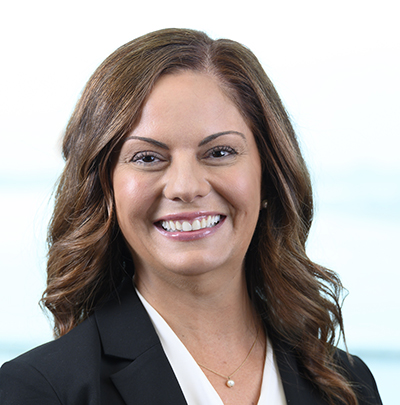
“This grant will enable the VLC to build upon its 10-year track record of delivering exceptional level services and representation to the veteran community and their families,” Beth Kubala, executive director of the Office of Clinical Legal Education, director of the VLC, said. “This grant program demonstrates New York state’s dedication to improving the lives of veterans and their ongoing support of law school outreach programs.”
Kubala is also a teaching professor in the College of Law and a U.S. Army veteran.
The VLC represents veterans and their families in claims for VA benefits and military discharge upgrades, SU said. Student attorneys, under faculty supervision, gain hands-on experience with real clients, navigating federal agencies and honing their legal skills — all while learning the value of pro bono service and engaging directly with military culture.
“The Veterans Legal Clinic exemplifies our commitment to experiential learning, community service, and public interest law,” Terence Lau, dean of Syracuse University College of Law, said. “We are proud of the clinic’s impact and grateful to the Department of Veterans’ Services for supporting this important work.”

Barclay Damon operating in expanded NYC office inside Rockefeller Center
The New York City office of Syracuse–based law firm Barclay Damon LLP is now operating in a newly renovated, significantly expanded, and more modern space on the 23rd floor of Rockefeller Center. The firm had announced its office relocation within Rockefeller Center back on July 22. The move “effectively doubles the firm’s space and office
Become a Central New York Business Journal subscriber and get immediate access to all of our subscriber-only content and much more.
Click here to purchase a paywall bypass link for this article.
The New York City office of Syracuse–based law firm Barclay Damon LLP is now operating in a newly renovated, significantly expanded, and more modern space on the 23rd floor of Rockefeller Center.
The firm had announced its office relocation within Rockefeller Center back on July 22.
The move “effectively doubles the firm’s space and office count” in New York City as part of a continued investment in its “growing” major-market offices. Those offices include New York City; Boston; New Haven, Connecticut; and Washington D.C. It also supports its long-term strategy of attracting top legal talent and providing exceptional legal representation to clients in a geographically expanded platform, Barclay Damon contended.
The new offices in New York City cover 11,590 square feet and were designed with flexibility, functionality, and further growth in mind, the firm said. The offices accommodate Barclay Damon’s 33 New York City–based attorneys and eight professional staff, while also providing ample space for visiting attorneys and clients as well as future lateral hires.
The space includes the latest in office technology, modern design, and collaborative work areas, and offers all the amenities of the Rockefeller Center campus, including direct access to restaurants, retail, and transportation, the firm said.
“This move represents an important step forward for our firm as we continue to strengthen our position in major markets,” Connie Cahill, Barclay Damon’s managing partner, said in the announcement. “It also reflects an extraordinary level of success in finding great lawyers in New York and expanding that office over the past five years, from less than a half-dozen lawyers before COVID-19 to over 30 lawyers today.”

“Our New York City team plays a critical role in many of the firm’s core practices, from complex litigation, bankruptcy, and regulatory matters to high-stakes transactional work,” Lizz Acee, managing director of major markets, said in the firm’s announcement. “This investment allows us to better support our clients with expanded capacity, new technology, and a more welcoming, collaborative environment. It also helps us continue to attract top-tier talent who want to practice at a firm that values excellence and innovation.”
Acee oversees the more than 90 lawyers making up the firm’s major-market offices and works closely with Cahill in the “careful expansion the firm has enjoyed,” the firm said.
With about 300 attorneys, Barclay Damon describes itself as a regional law firm that operates New York offices in Albany, Buffalo, Rochester, Syracuse, and New York City, along with offices in Boston, Massachusetts; New Haven, Connecticut; Washington D.C.; and Toronto, Ontario.

Five Star Bank parent reports nearly 32 percent drop in Q2 net income
WARSAW, N.Y. — Financial Institutions, Inc. (NASDAQ: FISI), parent company of Five Star Bank, recently reported net income of more than $17.5 million in the second quarter of this year, down 31.6 percent from $25.6 million in the second quarter of 2024. After preferred dividends, Financial Institutions’ net income available to common shareholders was almost
Become a Central New York Business Journal subscriber and get immediate access to all of our subscriber-only content and much more.

Click here to purchase a paywall bypass link for this article.
WARSAW, N.Y. — Financial Institutions, Inc. (NASDAQ: FISI), parent company of Five Star Bank, recently reported net income of more than $17.5 million in the second quarter of this year, down 31.6 percent from $25.6 million in the second quarter of 2024.
After preferred dividends, Financial Institutions’ net income available to common shareholders was almost $17.2 million, or 85 cents per share, in the second quarter of 2025, down 33 percent from nearly $25.3 million, or $1.62 a share, in last year’s second quarter.
The banking company recorded a provision for credit losses of $2.6 million in the second quarter, compared to a provision of $2 million in the year-ago quarter.
Financial Institutions posted a net interest margin of 3.49 percent for second quarter of 2025, up from 2.87 percent from last year’s second quarter. Year-over-year margin expansion was driven by an increase in the average yield on investment securities, following the restructuring of the available-for-sale securities portfolio in December 2024, which supported an increase in the average yield on interest-earning assets, the banking company said.
Financial Institutions reported net interest income of $49.1 million in this year’s second quarter, up more than 19 percent, from $41.6 million in the second quarter of 2024.
Noninterest income at the company came in at $10.6 million in the second quarter of 2025, down 56 percent from
$24 million in the year-earlier quarter, when its results benefited from a $13.5 million pre-tax gain associated with the sale of the company’s insurance business, per the earnings report issued on July 24.
Income-tax expense at Financial Institutions was $4 million for this year’s second quarter, compared to $4.5 million in the second quarter of 2024. The company also recognized federal and state tax benefits related to tax-credit investments placed in service and/or amortized during both the second quarter of 2025 and last year’s second quarter, resulting in income-tax expense reductions of $1.1 million and $1.3 million, respectively.
The banking company’s effective tax rate was 18.4 percent for this year’s second quarter versus 15 percent for the second quarter of 2024. The effective tax rate fluctuates on a quarterly basis primarily due to the level of pre-tax earnings and may differ from statutory rates because of interest income from tax-exempt securities, earnings on corporate-owned life insurance (COLI), the tax impact of the COLI repositioning, and the impact of tax-credit investments, the company noted.
Financial Institutions is a financial holding company, based in Warsaw in New York’s Wyoming County, with about $6.1 billion in assets, offering banking and wealth-management products and services. Its Five Star Bank subsidiary provides consumer and commercial banking and lending services to individuals, municipalities, and businesses through banking locations spanning Western and Central New York and a commercial-loan production office serving the Mid-Atlantic region. Five Star Bank’s Central New York offices include a commercial-loan production office in Syracuse and retail branches in Auburn, Waterloo, and Geneva.

Buffalo law firm Rupp Pfalzgraf expands into Syracuse market
SYRACUSE — Buffalo–based law firm Rupp Pfalzgraf LLC has expanded into the Syracuse market with an office at the State Tower Building at 109 S. Warren St. in Syracuse. Rupp Pfalzgraf sees it as “another significant step in the firm’s continued growth across New York State,” per its July 29 announcement. The firm says the
Become a Central New York Business Journal subscriber and get immediate access to all of our subscriber-only content and much more.
Click here to purchase a paywall bypass link for this article.
SYRACUSE — Buffalo–based law firm Rupp Pfalzgraf LLC has expanded into the Syracuse market with an office at the State Tower Building at 109 S. Warren St. in Syracuse.
Rupp Pfalzgraf sees it as “another significant step in the firm’s continued growth across New York State,” per its July 29 announcement. The firm says the Syracuse office, which opened Aug. 1, follows previous expansions into Rochester, Jamestown, and the Capitol Region.
“We are incredibly excited to establish a physical presence in Syracuse. This office allows us to better serve our existing clients in Central New York and provides an opportunity to forge new partnerships within this community,” David Pfalzgraf, managing partner of Rupp Pfalzgraf LLC, said in the announcement. “We are thrilled to bring Paul Tortora, Jr. into the firm as the lead partner in Syracuse. Not only does he bring years of local experience to the firm, but he’s offering his clients something truly rare – the personalized attention of a sole practitioner with the comprehensive resources of a larger practice behind him.”
Altogether, the firm tells CNYBJ it has an employee count of 155, including 73 attorneys.
The Syracuse office is led by family law attorney Paul Tortora, Jr., who joined Rupp Pfalzgraf earlier this summer with the intention of expanding the firm’s presence in the area. As of Aug. 19, the Syracuse office has two attorneys and support staff member.
Tortora brings more than a decade of experience in divorce and family law, including high-conflict custody disputes, child-support matters, and complex matrimonial cases.
As partner, he leads the Syracuse team while also playing an active role in firm leadership and mentorship. Tortora earned both his undergraduate and law degrees from Syracuse University and is licensed to practice in New York, Virginia, Maryland, and Washington, D.C.
“Having practiced in Syracuse for the past seven years, I’ve witnessed firsthand the unique needs of this community,” Tortora said. “Joining Rupp Pfalzgraf to open this new office is an exciting opportunity to combine my local insights with the firm’s extensive resources and expertise. We are committed to providing top-tier counsel and to becoming a trusted partner for clients throughout Central New York.”
Litigation attorney Christopher McCune, who focuses on premises and products liability, personal injury and general commercial litigation, joined Tortora in mid-July, and the firm is actively seeking a commercial litigator and a corporate lawyer. Rupp Pfalzgraf expects to continue expanding the Syracuse team, the firm said.
Stay up-to-date on the companies, people and issues that impact businesses in Syracuse, Central New York and beyond.