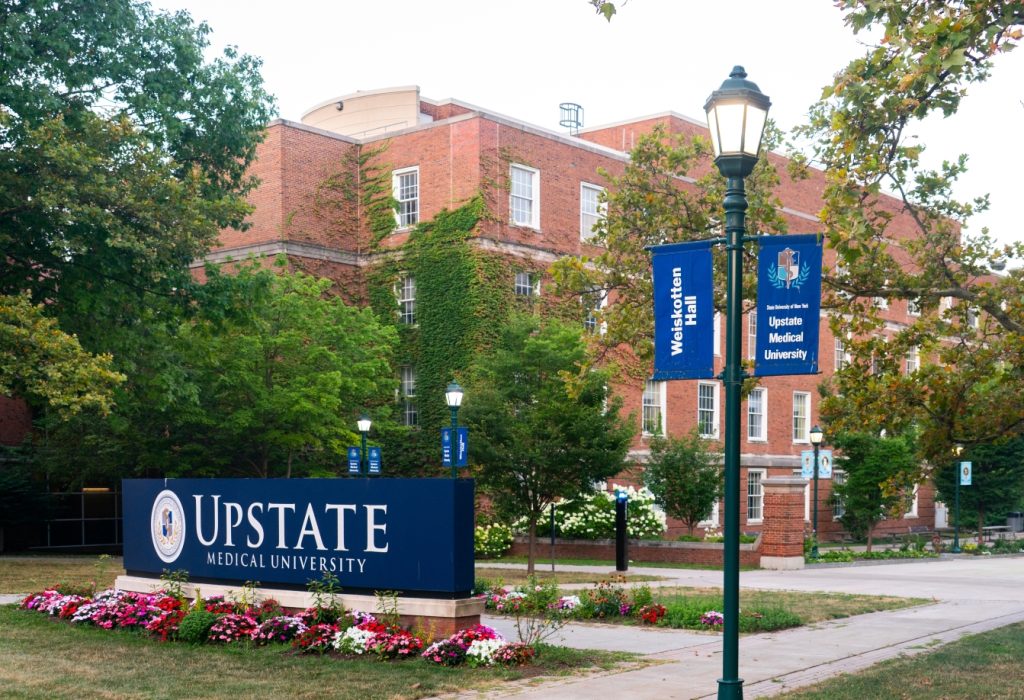
ALBANY, N.Y. — Upstate Medical University in Syracuse is among the SUNY campuses that are part of the new SUNY Brain Institute.
Gov. Kathy Hochul on Friday announced $10 million in funding to launch the institute, a multi-campus initiative focused on expanding SUNY’s neuroscience research.
The SUNY Brain Institute will fund shared equipment and research infrastructure at SUNY institutions with “significant capacity in this vital area.” They include SUNY’s four University Centers, Upstate Medical, SUNY Downstate Health Sciences University, and other research-intensive campuses.

Ask the Expert: Investing in the Future with Registered Apprenticeship
In today’s competitive job market, finding and retaining top talent can be incredibly challenging. For companies, Registered Apprenticeship is an investment not only in its employees but in its future.

“Borderline” Overtime Exemptions Require Careful Analysis and Precautionary Measures
Q: We have an employee who we believe is properly classified as exempt from receiving overtime under the Fair Labor Standards Act (FLSA) but it is a “borderline” case. In
The $10 million is made possible by the capital support SUNY received from the 2025-26 enacted state budget, Hochul’s office said. The new SUNY Brain Institute will foster collaborative neuroscience research between SUNY’s more than 600 active neuroscience faculty researchers to investigate topics such as brain aging, stroke, mental health, neurodegenerative disorders, and neurotechnology.
“SUNY campuses are leading the way on groundbreaking research that saves lives and improves the quality of life for millions of New Yorkers and people around the planet,” the governor said in the announcement. “The SUNY Brain Institute will leverage all of the strengths of our statewide public higher education system by increasing our researchers’ capacity for new discoveries and life-saving treatments. This is a smart, strategic investment in neuroscience research that will improve lives.”
New York State will allocate the funding following the solicitation of proposals from eligible SUNY campuses for shared equipment and research infrastructure. Existing neuroscience research across SUNY includes research at Upstate Medical University on vision restoration and identifying cures for the conditions that cause vision degradation and loss.
They also include a study at Binghamton University exploring how electrical-engineering principles can be used to better understand neurological diseases such as Parkinson’s Disease and Lewy body dementia, Hochul’s office said.