CANTON — A team of scientists that includes St. Lawrence University biology and psychology professors, plus several recent graduates, has discovered that a specific type of nanoparticle may help alleviate symptoms caused by multiple sclerosis (MS). Their findings were recently published in a leading scientific journal, the university said in a news release issued today.
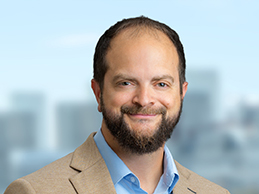
Karin Heckman, assistant professor of biology, and William E. DeCoteau, associate professor of psychology, from St. Lawrence University were the lead authors on a research paper that examined cerium-oxide nanoparticles and their ability to alleviate the symptoms of MS. The article, entitled “Custom Cerium Oxide Nanoparticles Protect Against a Free Radical Mediated Autoimmune Degenerative Disease in the Brain,” was published recently in ACS Nano, a publication of the American Chemical Society.
Ana Y. Estevez, associate professor of biology and psychology at St. Lawrence, and Joseph S. Erlichman, professor and chair of science and co-chair of the Department of Biology, were also listed as authors in the publication.
Franchising —Why JRECK Subs Is a Smart Choice
Franchising is a business model that allows individuals to own and operate a location of an established brand. As a franchisee, you get the benefits of running your own business

House of Representatives Passes $78 Billion Tax Package
On January 31, the House of Representatives overwhelmingly passed the Tax Relief for American Families and Workers Act of 2024, a tax package worth $78 billion. The bill was approved
According to the study, cerium-oxide nanoparticles are both widely used as catalysts in industrial applications and are considered potent antioxidants due to their free radical-scavenging properties. Heckman, DeCoteau and the other authors say in the article that laboratory experiments indicate the particular set of particles located in research at St. Lawrence University have the potential to lessen the symptoms of multiple sclerosis, a neurodegenerative disease, while not causing damage to the liver and spleen of mice.
“St. Lawrence has a unique set of cerium oxide particles,” Heckman, who specializes in infections and autoimmune diseases, said in the news release. “These particles move into the brain to help to provide therapy. Yet, these particles also diminish over time.”
Heckman said development of a pharmaceutical drug is the ultimate goal of the research.
“The question we’re asking now is how can these particles be used therapeutically if they’re packaged in the correct chemical form,” she said. “It can take up to 10 years for a drug to be fully developed, from the initial research to FDA (U.S. Food and Drug Administration) approval. But, yes, that’s the goal.”
The research team also included several recent St. Lawrence graduates, including Jennifer Clauss, Kylie Knapp, Carlos Gomez, Patrick Mullen, Elle Rathbun, Kelly Prime, Jessica Marini, and Jamie Patchefsky .
According to Heckman, the former St. Lawrence students were instrumental in the study, monitoring experiments twice a day and conducting a series of motor tests on the laboratory mice.
Founded in 1856, St. Lawrence University says it is a private, independent liberal-arts institution of about 2,400 students located in Canton.
Contact Rombel at arombel@cnybj.com