ALBANY, N.Y. — A new year means New York State has some new health-care laws that are now in effect. Health insurers will be required to cover medically necessary EpiPens and cap out-of-pocket costs at $100 per year; breast cancer screening and imaging; and the cost of scalp-cooling systems to reduce hair loss during chemotherapy, […]
Already an Subcriber? Log in
Get Instant Access to This Article
Become a Central New York Business Journal subscriber and get immediate access to all of our subscriber-only content and much more.
- Critical Central New York business news and analysis updated daily.
- Immediate access to all subscriber-only content on our website.
- Get a year's worth of the Print Edition of The Central New York Business Journal.
- Special Feature Publications such as the Book of Lists and Revitalize Greater Binghamton, Mohawk Valley, and Syracuse Magazines
Click here to purchase a paywall bypass link for this article.
ALBANY, N.Y. — A new year means New York State has some new health-care laws that are now in effect.
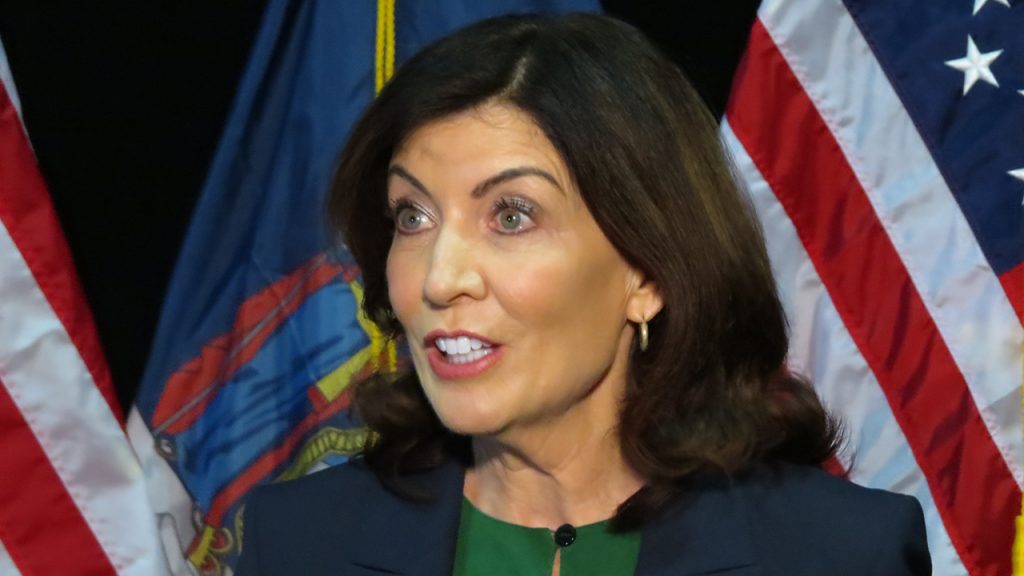
Health insurers will be required to cover medically necessary EpiPens and cap out-of-pocket costs at $100 per year; breast cancer screening and imaging; and the cost of scalp-cooling systems to reduce hair loss during chemotherapy, per the office of Gov. Kathy Hochul.
“New Yorkers shouldn’t have to choose between putting food on the table or being able to afford life-saving medical devices and procedures,” the governor said. “With these new laws going into effect, individuals will be able to focus on their health and wellbeing without having to worry about the financial burdens tied to treatments.”
EpiPens
EpiPen devices are used to treat life-threatening allergic reactions in individuals who are at risk or have a history of anaphylaxis, which can be caused by insect bites or stings, foods, medications, environmental exposures, exercise and other unknown causes.
This new law will “dramatically reduce” the cost of these devices for consumers by requiring health insurers in the individual and group markets — including nonprofit insurers and HMOs — to cover medically necessary EpiPens for the emergency treatment of allergic reactions and cap out-of-pocket costs for such coverage at $100 per year.
The cost of EpiPen devices has far outpaced the rate of inflation, with some reports citing a 600 percent increase in price since the medication was first acquired by Mylan in 2007. While EpiPens once cost $60 per device, they can now sell for upwards of $600 for a pack of two pens.
EpiPens have a relatively short shelf-life, expiring after 12 months on average, requiring those in need to purchase the medication repeatedly. Adding to their expense, users of EpiPens are also advised to carry two devices at all times, as a single dose of epinephrine may not be enough to treat a serious allergic reaction.
Breast cancer screening and imaging
The new law changes parts of the Insurance Law to require individual, group and nonprofit (including HMO) health-insurance plans to cover breast-cancer screening and diagnostic imaging. This coverage applies if a doctor recommends it based on nationally recognized clinical guidelines.
The screenings include diagnostic mammograms, breast ultrasounds, and MRIs. The new law also clarifies that cost-sharing will not apply to these procedures except to the extent it would result in health savings account ineligibility under IRS guidelines, according to the governor’s office.
Breast cancer is one of the most common cancers among females in New York state. Each year in the state, at least 17,000 women are diagnosed with breast cancer and nearly 2,400 die from the disease. It is estimated that one in eight females will develop breast cancer during their lifetime. Breast cancer is most often found in women ages 50 and older.
Covering cost of scalp-cooling systems
Scalp cooling is covered by Medicaid and Medicare, and three different cooling systems have already been approved by the U.S. Food and Drug Administration. Without insurance coverage, patients must pay out of pocket, which ranges from $1,500 to $3,000 per round of chemotherapy.
The new law requires health insurers in the large group market to provide coverage for scalp cooling systems that are used during chemotherapy treatment, Hochul’s office stated. As part of the treatment, patients wear a cooling cap before, during and after each chemotherapy session to reduce the amount of chemotherapy drugs that reach the hair follicles, which helps to preserve a person’s hair.