Will Barclay
New York’s prison system is broken, and changes recommended by the New York State Department of Corrections and Community Supervision (DOCCS) to address some of its biggest shortcomings represent a great start to repairing that broken system. But until the Humane Alternatives to Long-Term Solitary Confinement (HALT) Act, which drastically limits correctional officers’ ability to […]
Already an Subcriber? Log in
Get Instant Access to This Article
Become a Central New York Business Journal subscriber and get immediate access to all of our subscriber-only content and much more.
- Critical Central New York business news and analysis updated daily.
- Immediate access to all subscriber-only content on our website.
- Get a year's worth of the Print Edition of The Central New York Business Journal.
- Special Feature Publications such as the Book of Lists and Revitalize Greater Binghamton, Mohawk Valley, and Syracuse Magazines
Click here to purchase a paywall bypass link for this article.
New York’s prison system is broken, and changes recommended by the New York State Department of Corrections and Community Supervision (DOCCS) to address some of its biggest shortcomings represent a great start to repairing that broken system. But until the Humane Alternatives to Long-Term Solitary Confinement (HALT) Act, which drastically limits correctional officers’ ability to isolate dangerous prisoners, is repealed, both prisoners and correctional facility staff will continue to be needlessly put in danger.
Considering the state of our prison system, I am encouraged by several of the recommendations included in the recently published DOCCS report. As I said earlier, these changes would restore some accountability and discipline where they were sorely lacking. Simply stated, violent criminals who are not forced to face the consequences of their actions pose a grave threat to our state’s correctional officers.
Explicitly including ”sexual harassment and lewd conduct” and “patterns of extortion in connection with a gang or criminal enterprise” in the behaviors that make one eligible for segregated confinement are particularly noteworthy. Still, more must be done to protect and support New York state’s correctional officers, who, too often, are treated with less respect than they deserve, as well as the prisoners whom they oversee.
It’s no secret recruitment and retention are major hurdles in the prison system. Even before Gov. Kathy Hochul fired 2,000 correctional officers who refused to work under the hazardous conditions created by HALT, staffing was a major concern. Prior to the terminations, there were just shy of 13,500 officers and sergeants working in state prisons despite a staffing plan calling for 14,600 officers and sergeants. These are alarming numbers, and we should be doing everything we can to support the brave men and women who work in these facilities, so we can ensure all our prisons are properly staffed and secure.
State correctional facilities and those involved in their operation are facing unprecedented challenges from Gov. Hochul’s administration. They have been for years. The constant threat of near-immediate closure for prisons in every region of the state, incessant drug smuggling, disciplinary limitations, and myriad other obstacles have contributed to dangerously low morale. We need to do things differently. The recommendations from DOCCS are a step in the right direction, and I am eager to continue working toward a better criminal-justice system. The Assembly Minority Conference knows that is the only way to keep all New Yorkers safe — prisoners, officers, and residents, alike.
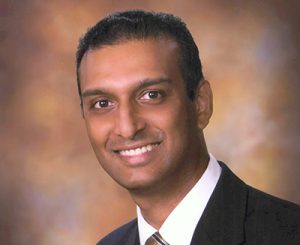
William (Will) A. Barclay, 56, Republican, is the New York Assembly minority leader and represents the 120th New York Assembly District, which encompasses all of Oswego County, as well as parts of Jefferson and Cayuga counties.
William (Will) A. Barclay, 56, Republican, is the New York Assembly minority leader and represents the 120th New York Assembly District, which encompasses all of Oswego County, as well as parts of Jefferson and Cayuga counties.