SARANAC LAKE — The Trudeau Institute recently received $4.2 million in federal funding to support its cutting-edge biotechnology research. The money will enable the Saranac Lake–based biotech-research institute to identify, develop, and disseminate best practices for the application of process control, automated data collection, and measurement techniques in the biosciences and biotechnology, according to a […]
Already an Subcriber? Log in
Get Instant Access to This Article
Become a Central New York Business Journal subscriber and get immediate access to all of our subscriber-only content and much more.
- Critical Central New York business news and analysis updated daily.
- Immediate access to all subscriber-only content on our website.
- Get a year's worth of the Print Edition of The Central New York Business Journal.
- Special Feature Publications such as the Book of Lists and Revitalize Greater Binghamton, Mohawk Valley, and Syracuse Magazines
Click here to purchase a paywall bypass link for this article.
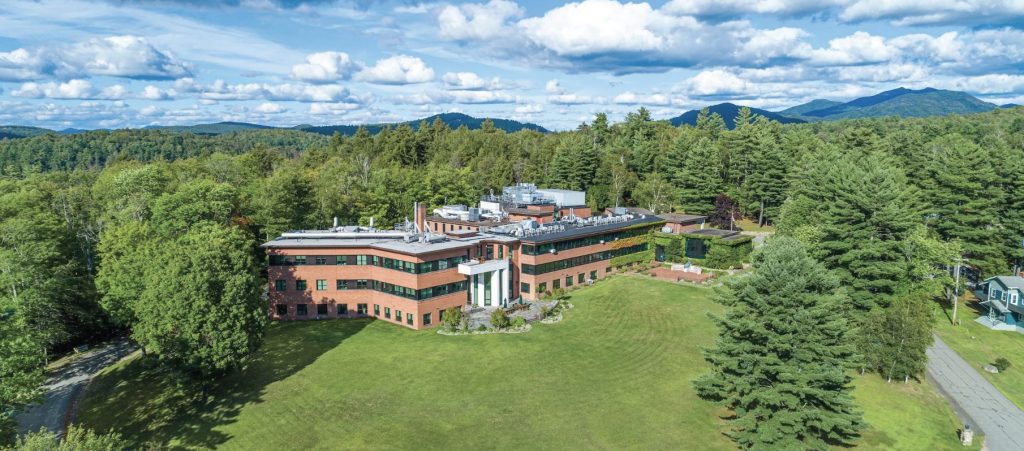
SARANAC LAKE — The Trudeau Institute recently received $4.2 million in federal funding to support its cutting-edge biotechnology research.
The money will enable the Saranac Lake–based biotech-research institute to identify, develop, and disseminate best practices for the application of process control, automated data collection, and measurement techniques in the biosciences and biotechnology, according to a Jan. 7 announcement from U.S. Rep. Elise Stefanik (R–N.Y. 21). The institute will also use the funds to advance the mission of the National Institute of Standards and Technology by facilitating more rapid commercialization of biotechnology in both the public and private sectors.
“Trudeau is a uniquely important asset for the North Country and for the nation,” Garry Douglas, president of the North Country Chamber of Commerce, said in the Stefanik announcement. “Securing fresh federal support for its research endeavors has been one of our priorities in Congress, working actively with Congresswoman Stefanik and with Senators Schumer and Gillibrand, including meetings in Washington in the fall. The Congresswoman’s appropriation of $4.2 million for bio research together with $2.5 million from the Senators for modernization of specialized equipment will help to sustain and grow Trudeau’s vital work for years to come. This is a very welcome advance at the very start of the new year. Onward and upward!”
The Trudeau Institute says it is a not-for-profit research institute with a “world-renowned reputation for R&D in immunity to infectious disease.” Its mission is to safeguard human health and combat 21st century global health crises, from drug-resistant TB to emerging viruses and pandemics, by empowering specialized R&D in regional and global translational science partnerships, per its website.