DeWITT, N.Y. — Excellus BlueCross BlueShield (Excellus BCBS) on Wednesday announced it is issuing $17.6 million in medical-premium refund credits to about 700 large-group employer and union-sponsored plans.
The announcement comes a month after the health insurer issued $3.4 million in premium-refund credits to employer groups who offered the plan’s dental coverage.
It is part of Excellus BCBS’s community response to the COVID-19 pandemic, which resulted in fewer people accessing health-care services and thus making fewer insurance claims, the nonprofit said.

What Distressed Property Owners Might Expect From the IRS
The commercial real estate market has been rough for some time, and the residential market has seen wild fluctuations. Inflation, high interest rates and decreased demand for office space have

4 Steps in IT Offboarding to Protect Data & Minimize Risk
When employees are laid off or let go, the conversation of technology offboarding can be an uncomfortable one. However, cybersecurity and data protection must be a priority. This can alleviate
Rochester–based Excellus, which operates an office in DeWitt, is Central New York’s largest health insurer.
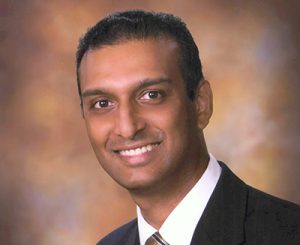
“When upstate New York went into lockdown and elective medical care decreased, our claims payments also declined. We are returning a portion of the premium,” Christopher Booth, CEO of Excellus BCBS, said in a release.
The medical-premium credit will appear on the bills being sent out in November. The dental-premium refund was credited on the groups’ October invoice.
To date, the health plan has spent or expects to spend more than $300 million this year as a result of the COVID-19 pandemic.
The expenditures have been for virus-related claims and expanded coverage during the “state of emergency;” reductions in the administrative burden for health-care providers; distribution of personal protective equipment for employers and providers; and contributions to food banks and food pantries throughout the health plan’s upstate service territory.
“Our claim volumes have returned to normal levels given the demand for elective procedures and routine care that may have been put off during the quarantine. We are also still bracing for a possible second wave in COVID-19-related costs. We hope it doesn’t come but we are prepared if it does,” Booth said.