The schools are among the seven award recipients in the fourth round of the commercial and industrial (C&I) carbon challenge, New York State Energy Research and Development Authority (NYSERDA) announced Thursday.
The seven projects are sharing more than $14 million through round 12 of the state’s Regional Economic Development Council (REDC) initiative.
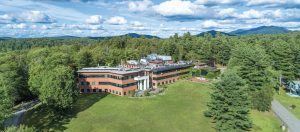
With its funding of more than $1.4 million, SU plans modernize “critical” energy equipment, including the installation of “highly efficient” electrified chillers. The modernization effort will enable the school to reach he targets of its climate action plan, “chiefly the goal of carbon neutrality by 2040.”

Mergers and Acquisitions of Architectural and Engineering Firms
The pace of mergers and acquisitions (M&A) in the Architectural and Engineering (A/E) industry is at an all-time high, driven by firms seeking new opportunities for growth. From 2023 to

The New Rule for Independent Contractors – Are You Ready?
Effective March 11, 2024, the US Department of Labor will change the analysis it uses to determine whether an individual is an employee or independent contractor under the Fair Labor

Cornell University will use nearly $519,000 for a project that will capture and re-use heat that would “otherwise be wasted” and upgrade existing pneumatic building-control systems with digital automated logic controls in existing buildings on the university’s campus. Both initiatives will help increase energy efficiency and reduce the university’s greenhouse-gas footprint.
Altogether, the seven winning organizations have committed to “high-impact actions that will shrink their carbon footprints and result in a reduction of over 800,000 metric tons of carbon dioxide, the equivalent of taking approximately 174,000 cars off the road, per year,” NYSERDA said.
The state says Thursday’s announcement supports a goal in the Climate Leadership and Community Protection Act (Climate Act) to reduce greenhouse-gas emissions 85 percent by 2050. The awards also advance the Climate Act goal to deliver at least 35 percent with a goal of 40 percent of clean-energy investments to “disadvantaged communities,” NYSERDA noted.