MARCY, N.Y. — An assistant professor at SUNY Polytechnic Institute (SUNY Poly) in Marcy is using a grant of $175,000 from the National Science Foundation (NSF) for research on wireless networks. The recipient is Arjun Singh, assistant professor of electrical and computer engineering at SUNY Poly. Singh also serves as director of the school’s Wireless […]
Already an Subcriber? Log in
Get Instant Access to This Article
Become a Central New York Business Journal subscriber and get immediate access to all of our subscriber-only content and much more.
- Critical Central New York business news and analysis updated daily.
- Immediate access to all subscriber-only content on our website.
- Get a year's worth of the Print Edition of The Central New York Business Journal.
- Special Feature Publications such as the Book of Lists and Revitalize Greater Binghamton, Mohawk Valley, and Syracuse Magazines
Click here to purchase a paywall bypass link for this article.
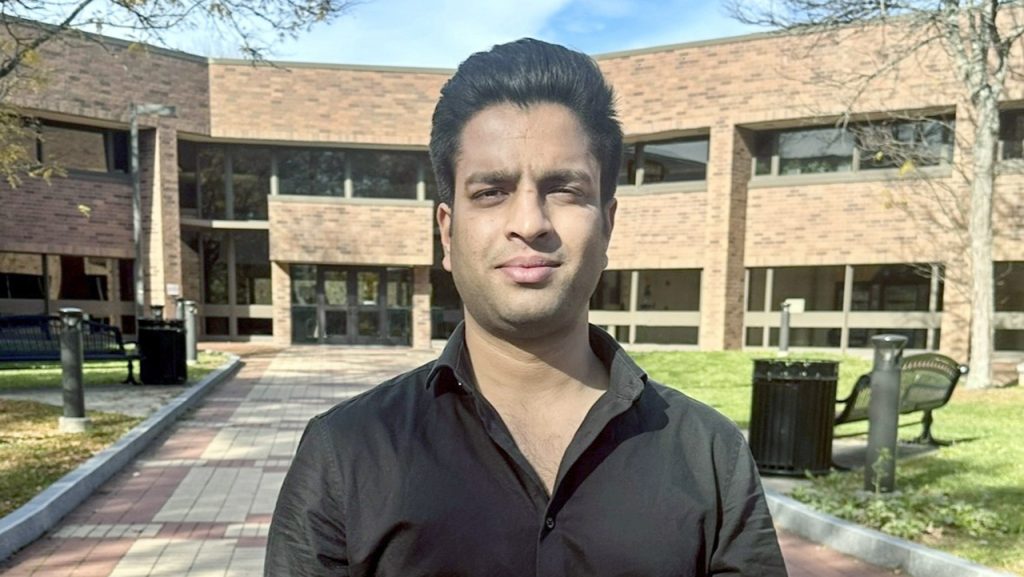
MARCY, N.Y. — An assistant professor at SUNY Polytechnic Institute (SUNY Poly) in Marcy is using a grant of $175,000 from the National Science Foundation (NSF) for research on wireless networks.
The recipient is Arjun Singh, assistant professor of electrical and computer engineering at SUNY Poly. Singh also serves as director of the school’s Wireless Intelligent Next Gen Systems (WINGS) Research Center, per the announcement.
The award money comes from NSF’s computer and network systems division through its CRII: NeTS program.
Singh’s project, “Deployable Near-Field Sub-Terahertz Communication Systems,” aims to address key technical challenges in the development of next-generation wireless networks operating at terahertz (THz) frequencies, SUNY Poly said.
The research focuses on mitigating near-field propagation issues such as wavefront distortion, ultra-wide bandwidth handling, and the impact of dynamic-device movement, which are key factors in the future deployment of mobile THz systems.
The significance of this work lies in its potential to bring society closer to faster, more reliable wireless networks that will power everything from smarter phones to advanced health care and transportation systems.
“This funding enables my team and our collaborators to explore radically different ways of thinking about wireless communication,” Singh said in the announcement. “Through the support of the NSF CRII program, we’re building robust THz frameworks that will accelerate the deployment of mobile high-frequency wireless systems.”