UTICA, N.Y. — The U.S. Department of Defense (DOD) has awarded a $500,000 grant for an investigation ongoing at the Masonic Medical Research Institute (MMRI) in Utica.
The research directly addresses a critical need for military personnel who have survived catastrophic injuries, particularly those from blasts, MMRI said.
The money will help the work in developing methods to examine the health of vascularized composite allografts (VCA).

Tips, Overtime and More: Are You Ready for the One Big Beautiful Bill?
Since officially becoming law on Independence Day 2025, the One Big Beautiful Bill Act (OBBBA) has led to significant changes in both individual and business taxes. For businesses with employees

Ask the Expert: Investing in the Future with Registered Apprenticeship
In today’s competitive job market, finding and retaining top talent can be incredibly challenging. For companies, Registered Apprenticeship is an investment not only in its employees but in its future.
This will result in doctors having the ability to quickly determine whether graft rejection is occurring and alter the immunosuppression needed to keep the transplant viable, MMRI said.
VCAs are transplants made of skin, muscle, bones, and nerves, such as an arm or a face, to restore function and appearance.
Those surviving blasts would be candidates for VCAs, yet the risks associated with this “life-changing” therapeutic option “often outweigh the benefits,” as rejection of the graft could put the patient’s life at risk.
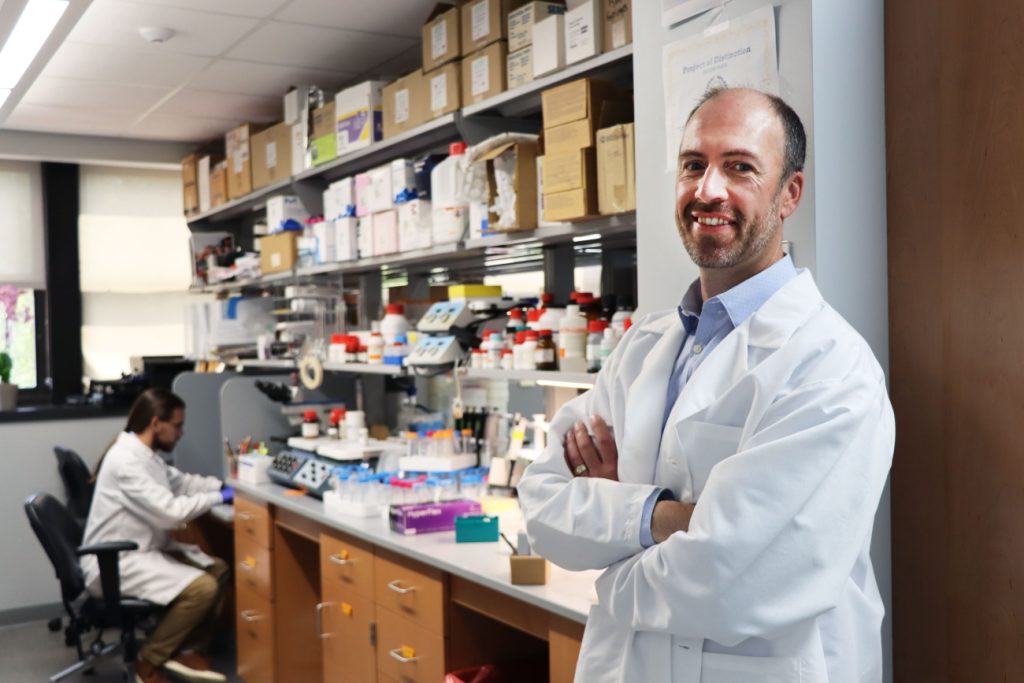
Jason McCarthy, associate professor of biomedical research and translational medicine at MMRI, is the principal investigator.
“Our goal is to develop technologies to facilitate routine examination of markers of rejection to catch episodes early, allowing for the modification of immunosuppressive therapies,” McCarthy said in the MMRI announcement. “Current gold standard diagnostics detect rejection too late. Using our technology, we envision in-home monitoring of graft health, enabling more widespread adoption of VCA transplantation.”
McCarthy — working alongside Carl Atkinson, Ph.D., from Northwestern University — combines expertise in the immune system with bioengineering to design these advanced imaging tools. The ultimate vision is to make these tools available in simple, user-friendly devices, MMRI said.
“We’re conducting groundbreaking research right here in the Mohawk Valley,” Maria Kontaridis, Ph.D., executive director, Gordon K. Moe professor and chair of biomedical research and translational medicine at MMRI, contended. “This funding will empower our talented scientists to help a part of the population who have sacrificed so much to keep our country safe—our dedicated soldiers and veterans. I am incredibly proud of Dr. McCarthy and his team for leading this vital project.”