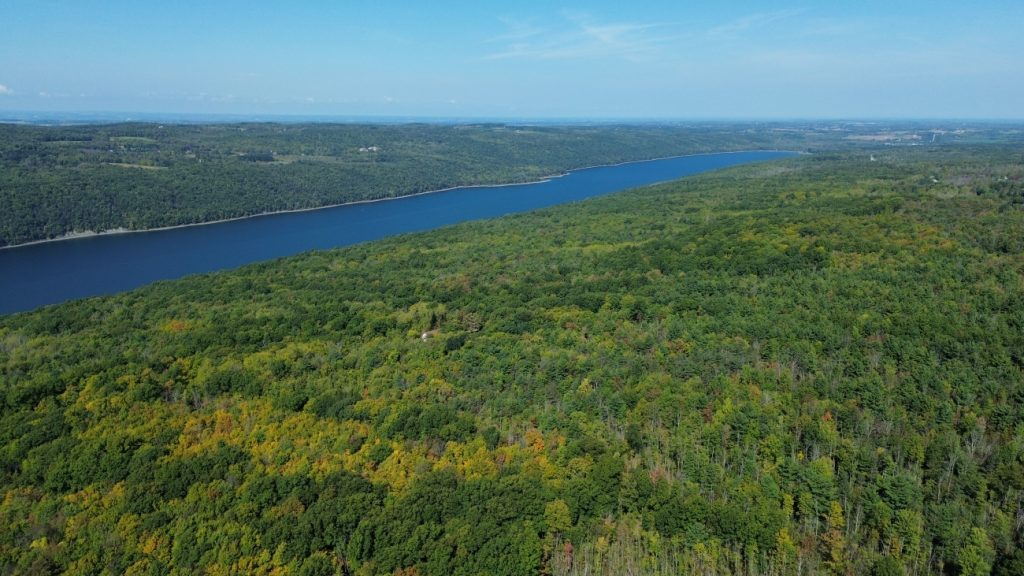
ITHACA, N.Y. — The Finger Lakes Land Trust (FLLT) of Ithaca announced it has reached the “major milestone” of having conserved 35,000 acres across the 12-county Finger Lakes region.
The accomplishment represents more than three decades of long-term, consensus-based strategies to protect the “cherished landscapes” of the Finger Lakes, the FLLT said in its announcement.
Since its beginning as an all-volunteer organization in 1989, the FLLT says it has grown into an accredited conservation organization with an “ever-growing network” of protected lands. By focusing on water quality, outdoor recreation, scenic beauty, and wildlife habitat, the organization says it has protected more than six miles of lakeshore, 1,752 acres of wetlands, 221 miles of creek frontage, and has created 55 miles of publicly accessible hiking trails to date.

How to Generate Staff Buy-In for Cloud Document Management
How businesses manage important documents has changed quite a bit throughout history. Information that used to be housed in filing cabinets and rolodexes is now stored digitally, often in one

“Borderline” Overtime Exemptions Require Careful Analysis and Precautionary Measures
Q: We have an employee who we believe is properly classified as exempt from receiving overtime under the Fair Labor Standards Act (FLSA) but it is a “borderline” case. In
Recent projects include the permanent protection of 850 feet of pristine shoreline at the south end of Skaneateles Lake, a partnership with the Village of Aurora to create a new shoreline park on Cayuga Lake, the opening of a new nature preserve on Keuka Lake’s Bluff Point, and the purchase of a 117-acre addition to the state’s Harriet Hollister Spencer Recreation Area near Honeoye Lake, the FLLT said.
The FLLT owns and manages a network of more than 45 nature preserves that are open to the public and holds perpetual conservation easements on 200 properties that remain in private ownership.
The FLLT focuses on protecting critical habitat for fish and wildlife, conserving lands that are important for water quality, connecting existing conservation lands, and keeping prime farmland in agriculture. The organization also provides programs to educate local governments, landowners, and residents about conservation and the region’s unique natural resources.