SYRACUSE, N.Y. — The Central New York Regional Transportation Authority (Centro) will use a federal grant of more than $9 million to buy about nine low-emission buses for its upcoming Bus Rapid Transit (BRT) system.
The funding will allow Centro to purchase custom-designed, compressed natural gas (CNG) buses built specifically for BRT service.
The money is awarded through the U.S. Department of Transportation’s Low- or No-Emission Program, the office of U.S. Representative John Mannion (D–Geddes) said in an announcement.

Does Your Nonprofit Need an Annual Audit?
Many people wonder if a nonprofit needs an annual audit, and the answer is—it depends.Although there is no federal requirement that all tax-exempt organizations undergo an audit, many possible triggers

Why Now Is the Time To Start Planning for Your Company’s Business Succession
You’ve built a great business, and you love what you do. Retirement is a long way off, so why worry about how you’ll transition the ownership of your company down
These buses will have a “unique” design and dedicated branding so riders can clearly identify them as part of the BRT system, the congressman’s office noted.
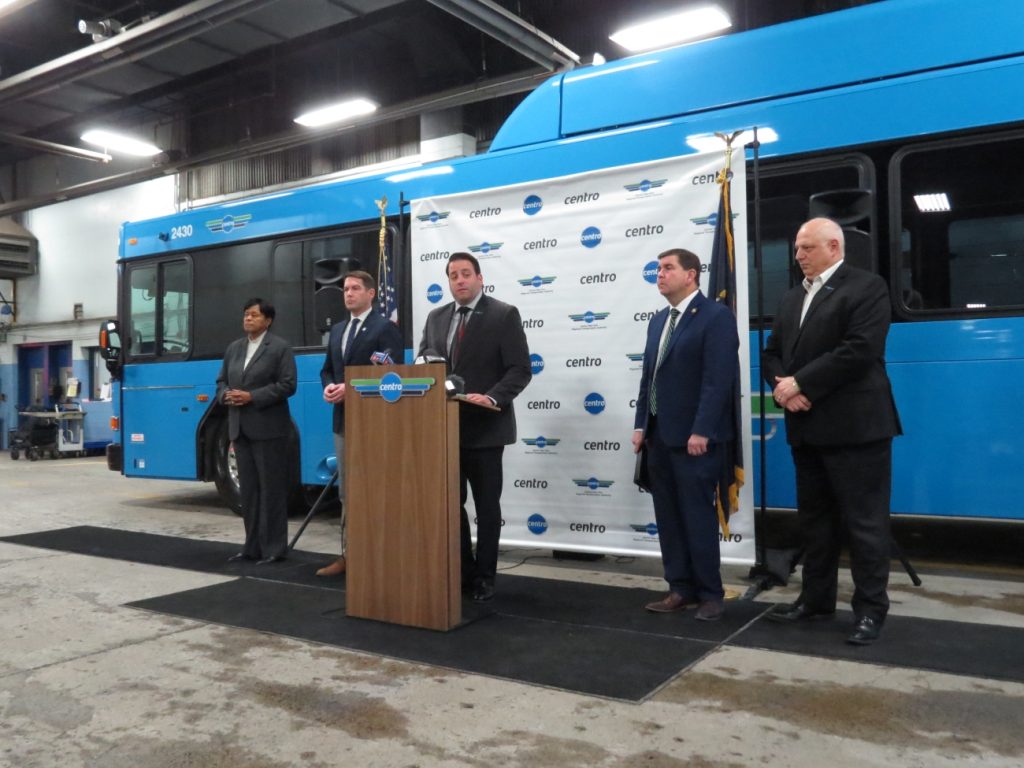
Mannion joined Christopher Tuff, CEO of Centro; Nicholas Laino, chairman of the CNYRTA board of directors; Syracuse Mayor Ben Walsh; and Syracuse Deputy Mayor and Mayor-elect Sharon Owens for the Monday morning Dec. 22 announcement at Centro’s location at 200 Cortland Ave. in Syracuse.
“Public transit is about people getting to work, getting to school, their medical appointments, shopping, family, and to get back home,” Mannion said in his remarks at the event. “Riders expect buses that are clean, consistent, on time, and reliable, and Centro delivers.”
In his remarks, Centro’s Tuff called the grant funding “exciting progress” for public transportation here in Syracuse as officials continue working to improve the region for investment.
“We’re in the process of a system redesign, which will segue into the BRT project in 2028,” Tuff said. “This funding is just another piece to keep BRT moving forward.”
The buses that Centro will purchase with the grant money will be different than the ones that are currently in service, Tuff noted.
“If you’re a customer that’s waiting at one of our unique BRT stops along James Street, you will see that that’s a BRT bus coming my way,” Tuff contended. “You’ll know the difference. You’ll see the difference and identify that that’s the bus I need to be on.”
Syracuse’s BRT system is designed to provide faster, more reliable, and more frequent transit service, connecting neighborhoods with downtown, University Hill, major employers, health-care institutions, and the transit hub, per the Mannion announcement. The bus service runs every 12-15 minutes.